
For generations, healthcare has largely focused on treating illness after it appears. Today, a growing movement in medicine and wellness is shifting the conversation from disease treatment to disease prevention. The question is no longer simply, “How do we heal illness?” but rather, “How do we create health?”
Research continues to demonstrate that many of the chronic diseases affecting populations worldwide—including heart disease, diabetes, hypertension, obesity, and certain cancers—are influenced by daily lifestyle choices. While genetics may load the gun, lifestyle often pulls the trigger.
The good news is that prevention does not require expensive equipment, complicated diets, or drastic changes. It begins with simple, intentional habits practiced consistently over time.
Food as Fuel and Medicine
What we eat has a profound effect on our energy, immunity, and overall health. A diet rich in fruits, vegetables, legumes, whole grains, nuts, and clean sources of protein helps nourish the body and reduce inflammation.
Rather than focusing on restrictive diets, health experts encourage people to build sustainable eating habits that support long-term wellness.
Movement is Life
Physical activity remains one of the most powerful tools for maintaining health. Walking, dancing, gardening, swimming, cycling, or participating in community activities can strengthen the heart, improve circulation, support mental health, and increase longevity.
The human body was designed to move. Even 30 minutes of moderate activity most days of the week can produce significant health benefits.
The Importance of Rest
In today’s fast-paced world, sleep is often sacrificed. Yet quality sleep is essential for healing, memory, emotional balance, and immune function.
Health professionals recommend establishing consistent sleep routines and creating environments that support deep and restorative rest.
Managing Stress Before It Manages Us
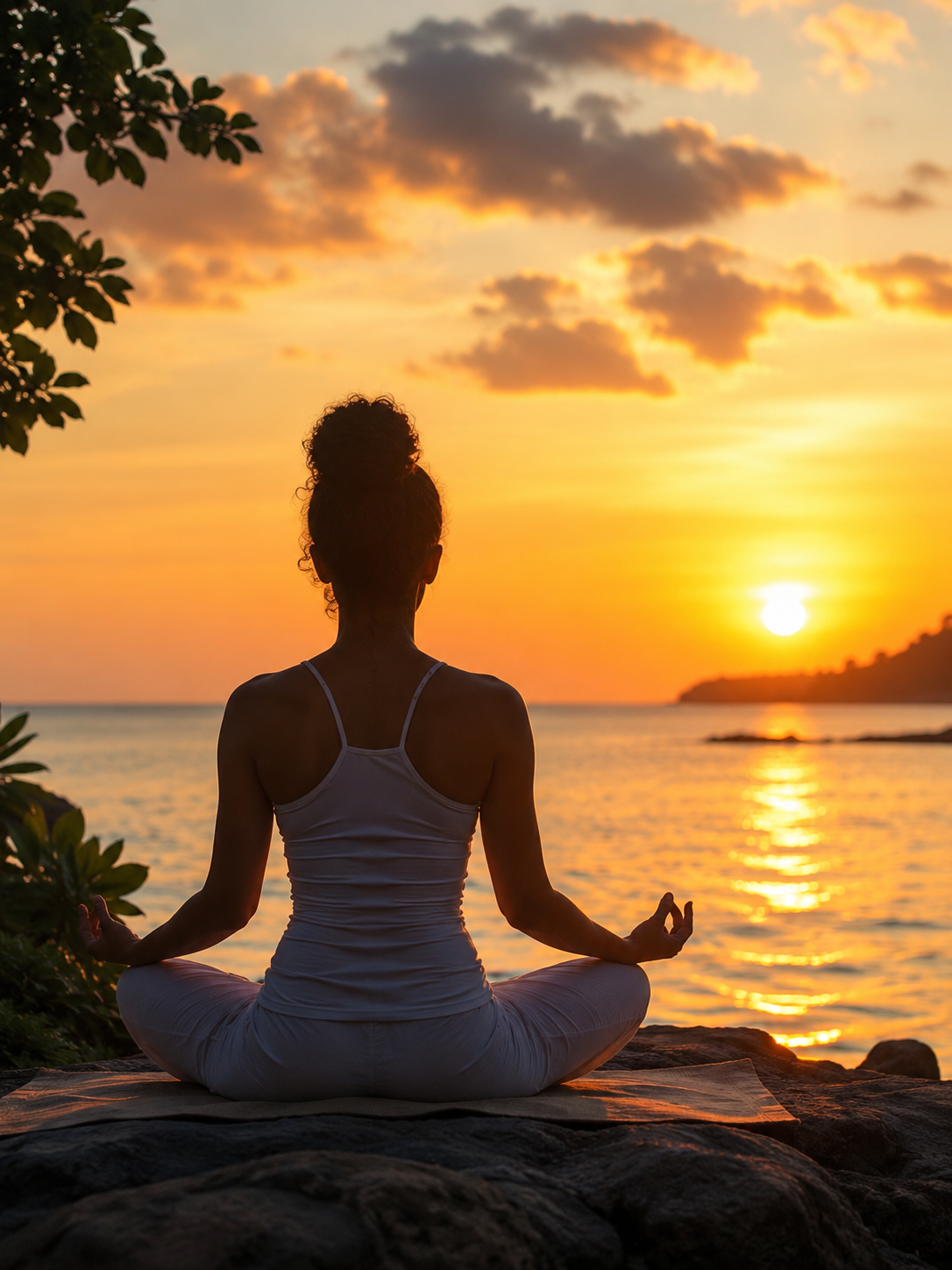
Chronic stress affects every system in the body. Mindfulness practices, meditation, prayer, breathing exercises, time in nature, and meaningful social connections can help reduce stress and promote resilience.
Taking care of mental and emotional wellbeing is not a luxury—it is a necessity.
The Power of Community
Human beings thrive through connection. Families, friendships, faith communities, cultural organizations, and community groups all contribute to a sense of belonging and purpose.
Studies consistently show that socially connected individuals tend to enjoy better physical and mental health outcomes than those who are isolated.
A New Vision of Health
True wellness is not merely the absence of disease. It is the presence of vitality, purpose, balance, and meaningful engagement with life.
The prevention revolution reminds us that our daily choices matter. Every healthy meal, every walk, every moment of rest, every act of self-care contributes to a healthier future.
Health is not something we find. It is something we create—one choice, one habit, and one day at a time.
Reflection
What one healthy habit can you begin today that your future self will thank you for?
Because wellness is not a destination. It is a lifelong journey.